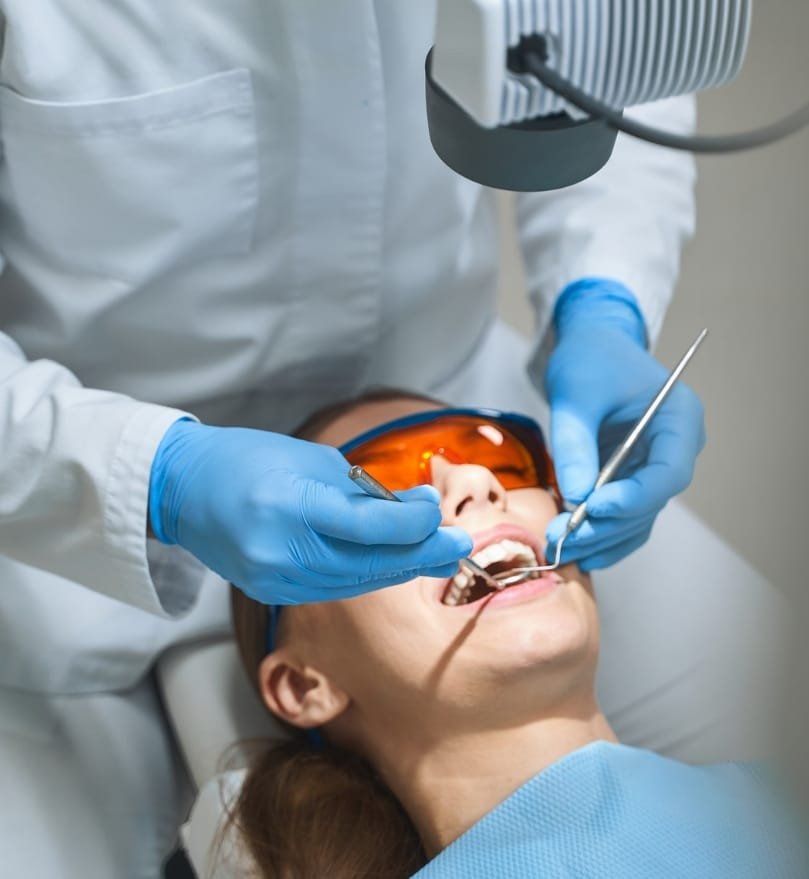
A broken tooth sounds scary, but sometimes it feels calm. That shocks people because they expect sharp pain. Teeth can break quietly when the nerve is weak or dying. It tricks you into thinking the problem is small when it is not. This often leads to delays in treatment. During these early moments, people look for info everywhere, even simple resources like bolded generic anchor here which help them understand their situation.
When a Tooth Breaks Without Warning
A tooth can crack or chip after biting something hard. Sometimes it just gives up after years of stress. The nerve inside might already be damaged. So the tooth reacts with silence instead of pain. At this stage many people notice a tooth broken off at gum line no pain situation and feel confused. They expect pain but get nothing, which increases the chance of ignoring the issue.
Why Gum Line Breaks Stay Quiet
Breaks near the gum line look worse than they feel. The nerve may be dead, so no signals reach your brain. The tooth might also break in a way that keeps the sensitive inner part covered. That gives a false sense of safety while bacteria enter slowly. People often misread this silence as healing, which is risky.
What Happens Under the Surface
The damage might be deeper than it looks. The tooth can be cracked inside, even if it appears stable outside. Bacteria sneak into these hidden spaces. They move quietly and cause trouble later. Because the nerve is silent, you miss these early warnings.
The First Signs of Trouble
Some people notice small bumps inside their mouths. Others experience strange tastes or mild pressure. Many ignore these things because they come and go. The body sometimes creates blisters as a defense. These blisters may look alarming but often start from simple irritation. People often search for answers because they feel uncertain. This is where they come across information about mouth blood blisters causes and finally understand what is going on.
Where These Blisters Come From
Blisters form for many reasons. You might bite your cheek by accident. You might brush too hard without noticing. Even spicy foods irritate delicate mouth tissues. Sometimes a blood filled blister appears from a tiny injury. Other times it forms because the gums react to bacteria around a damaged tooth.
Are Blisters Always a Bad Sign
Not always. Many heal on their own in a few days. They shrink slowly as the tissue repairs. But some blisters return again and again. That usually means something deeper is happening. Repeated irritation or infection can cause this pattern. It is smart to keep an eye on recurring blisters.
When Blisters Connect to Tooth Damage
A blister near a broken tooth is often a sign of infection. The body traps fluid to protect the irritated area. It can also signal pressure building under the gum. The damage inside the tooth might be spreading. These signs show that waiting too long makes the situation worse. Resources like bolded partial match anchor here help people understand treatment options before things escalate.
When a Silent Break Becomes Serious
A painless break does not stay harmless forever. Infection grows slowly inside the tooth. The gums might start swelling a little. You might taste something strange near that area. Some people notice a pimple like bump near the tooth. That bump is a signal that bacteria are trying to escape.
What You Should Do Right Away
Rinse your mouth with warm salt water. It helps keep the area clean. Avoid chewing on the damaged side. Sharp edges can cut your cheek or tongue. Use dental wax if the broken tooth scrapes your mouth. Then call a dentist as soon as you can. Avoid waiting because painless damage still grows.
Common Treatments for a Broken Tooth
Dentists use several methods depending on the break. Small chips can be fixed with bonding. A crown helps when the structure is weak. A root canal becomes necessary when the nerve is dead or infected. Sometimes the tooth cannot be saved, so extraction is the best choice. Implants or bridges replace missing teeth when needed.
Fixing Breaks Near the Gum Line
Gum line breaks need careful handling. Dentists take X rays to see how deep the damage goes. If enough strong root remain, the tooth can be rebuilt. They might use a post and crown for stability. But if the root is too damaged, removing the tooth is safer. These choices depend on how much tooth is left.
How to Keep Your Mouth Safe
Prevention helps more than people realize. Avoid chewing ice or very hard foods. Use a soft toothbrush to protect your gums. Stay hydrated to keep tissues healthy. Wear a mouthguard if you grind your teeth at night. Regular dental visits catch problems before they become emergencies.
Stress and Oral Health
Stress affects your mouth more than you think. It makes you grind or clench without noticing. That pressure cracks weak teeth faster. Stress also irritates mouth tissues and causes random blisters. When life gets busy your body shows it in strange ways.
When You Need a Dentist Right Away
Seek help if swelling does not fade. Go in if a blister keeps returning. Checkups are needed when you see dark spots on a broken tooth. A foul smell near one area can also be a warning. Bleeding without reason should never be ignored.
Final Thoughts
A broken tooth without pain feels harmless. But the silence can hide bigger issues under the surface. Blisters can appear for simple or serious reasons. What matters is paying attention to changes in your mouth. Even painless problems need proper care before they get worse. Early treatment saves you from discomfort and expensive procedures later.
FAQ
Can a broken tooth heal by itself
No. Teeth cannot repair cracks or breaks naturally.
Why does my broken tooth not hurt
The nerve may be dead or protected. So no pain signals reach your brain.
Are blood filled blisters dangerous
Most heal quickly. But recurring ones should be checked by a dentist.
How long do mouth blisters last
Usually a few days unless irritation continues.
Should I see a dentist if the tooth does not hurt
Yes. No pain does not mean no problem. Hidden issues are common.