





Pressure Washer Repair Costs: A Complete Guide
Your pressure washer is a beast. It cleans siding, decks, and driveways with ease. But what happens when it breaks? You’re stuck with a big question. How much will it cost to fix? Knowing the potential expense is key. It helps you decide what to do next. Should you repair it? Or maybe buy a new one? This guide will show you everything. We’ll break down what really goes into the cost of pressure washer repairs.
What Affects the Cost of Pressure Washer Repairs?
The final bill for fixing your machine can be all over the place. The total pressure washer repair cost isn’t set in stone. Many things can change the final price. It depends on your machine’s type. The specific part that broke matters a lot too.Type of Pressure Washer
First, what kind of pressure washer do you have? Is it gas or electric? This makes a huge difference in repair costs.- Gas Pressure Washers: These are the powerful ones. They are also more complex. Their engines have lots of moving parts. Think carburetors and spark plugs. Engine problems can get expensive pretty fast. They usually cost more to fix than electric models.
- Electric Pressure Washers: These are much simpler. The motors don’t have as many parts. Repairs often deal with wiring or switches. A bad motor could be the problem. These are usually cheaper to fix. But a totally dead motor might be a dealbreaker. It could be smarter to just replace the whole unit.
Common Issues and Their Costs
So, let’s get to the real question. How much does it cost to repair a pressure washer? Here are some typical problems and their prices.- Broken Hoses: A leaky hose is a common headache. It’s also an easy fix. A new hose might set you back $25 to $60. The price depends on its length and quality.
- Faulty Pumps: The pump is your pressure washer’s heart. A broken pump is a serious issue. A full replacement can be pricey. You might pay from $150 to over $400. Sometimes, you get lucky. Maybe only the seals need replacing. That’s a much cheaper fix.
- Engine or Motor Problems: For a gas model, you might need a carb cleaning. This could cost $75 to $150. For electric washers, a new motor is a big deal. It might run you $100 to $200, or even more. At that point, a new machine looks like a good idea.
- Clogged Nozzles: This is the easiest problem to have. It’s also the cheapest to solve. You can probably clean it yourself. If not, a new set of nozzles is just $15 to $30.
Labor Costs
Not a DIY person? That’s totally fine. But you’ll need to pay for labor. In places like New Jersey, repair shops have their rates. They can charge from $60 to $100 per hour. A simple check-up might be a flat fee. A big engine repair will take longer. And it will cost you more. Always get an estimate first.Replacement Parts
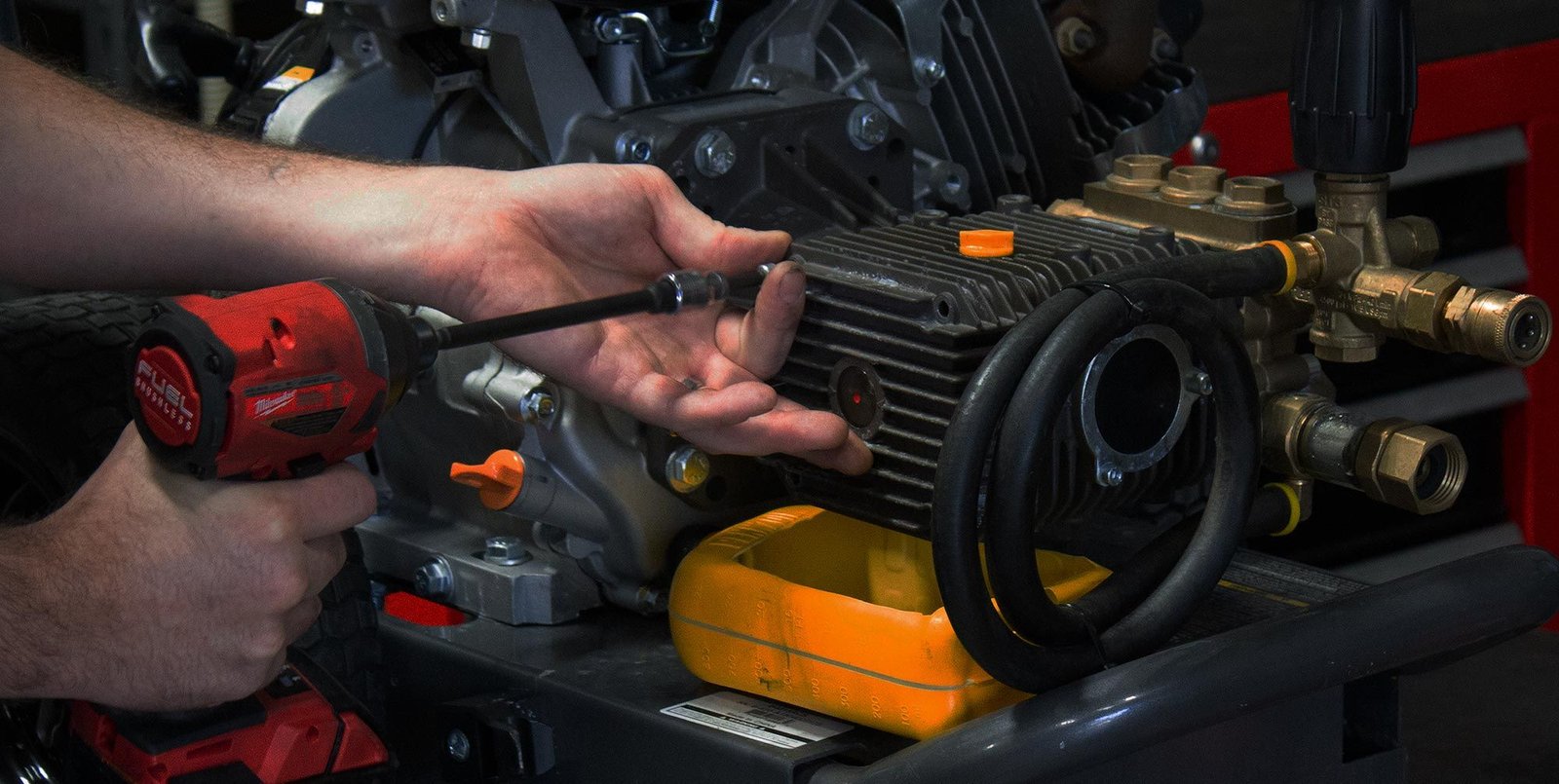
Parts are a big piece of the final bill. Little things like O-rings are cheap. Major parts are a different story. A new pump or engine costs a lot. A common task is the pressure washer pump oil replacement. The oil itself isn’t expensive, maybe $10 to $15 a bottle. But having a pro do it adds to the labor charge. It’s often part of a bigger service.Is It Better to Repair or Replace a Pressure Washer?
This is the million-dollar question for homeowners. The answer isn’t always simple. Here’s a good rule. Compare the repair cost to a new machine’s price. If the repair is 50% or more of that price, replace it. Don’t throw good money after bad. Think about the machine’s age, too. Is it old? Has it broken down before? Another repair might just be a short-term solution. Something else could break next week. But if your machine is pretty new, a fix makes sense. This is especially true for minor issues. Getting a solid quote from a repair service in New Jersey can really help. It gives you the facts to make a good choice.How to Save Money on Pressure Washer Repairs
No one likes spending extra cash. Luckily, there are ways to save. You can lower the cost of pressure washer repairs. You might even avoid them completely.Regular Maintenance Tips
Taking care of your machine is the best defense. It prevents those expensive breakdowns.- Clean and Store It Right: Run clean water through it after every use. This flushes out leftover soap. Store it somewhere dry and safe. This stops rust and damage.
- Check for Wear: Look at your hoses for cracks. Check connections for drips. Clean your nozzles so they don’t clog. For gas models, check the oil and spark plug. A timely pressure washer pump oil replacement can save your pump from big damage.