





Essential Cleaning Practices for Professional Facilities

Clean professional spaces matter more than many people realize. Offices, clinics, retail stores, and shared buildings see constant foot traffic. Dust, germs, and clutter build up quickly. Without proper care, these spaces can feel unhealthy and unwelcoming.
In New York, businesses operate at a fast pace. Employees, clients, and visitors expect clean environments every day. A well-maintained facility improves first impressions and supports productivity. It also protects health and safety in high-use areas.
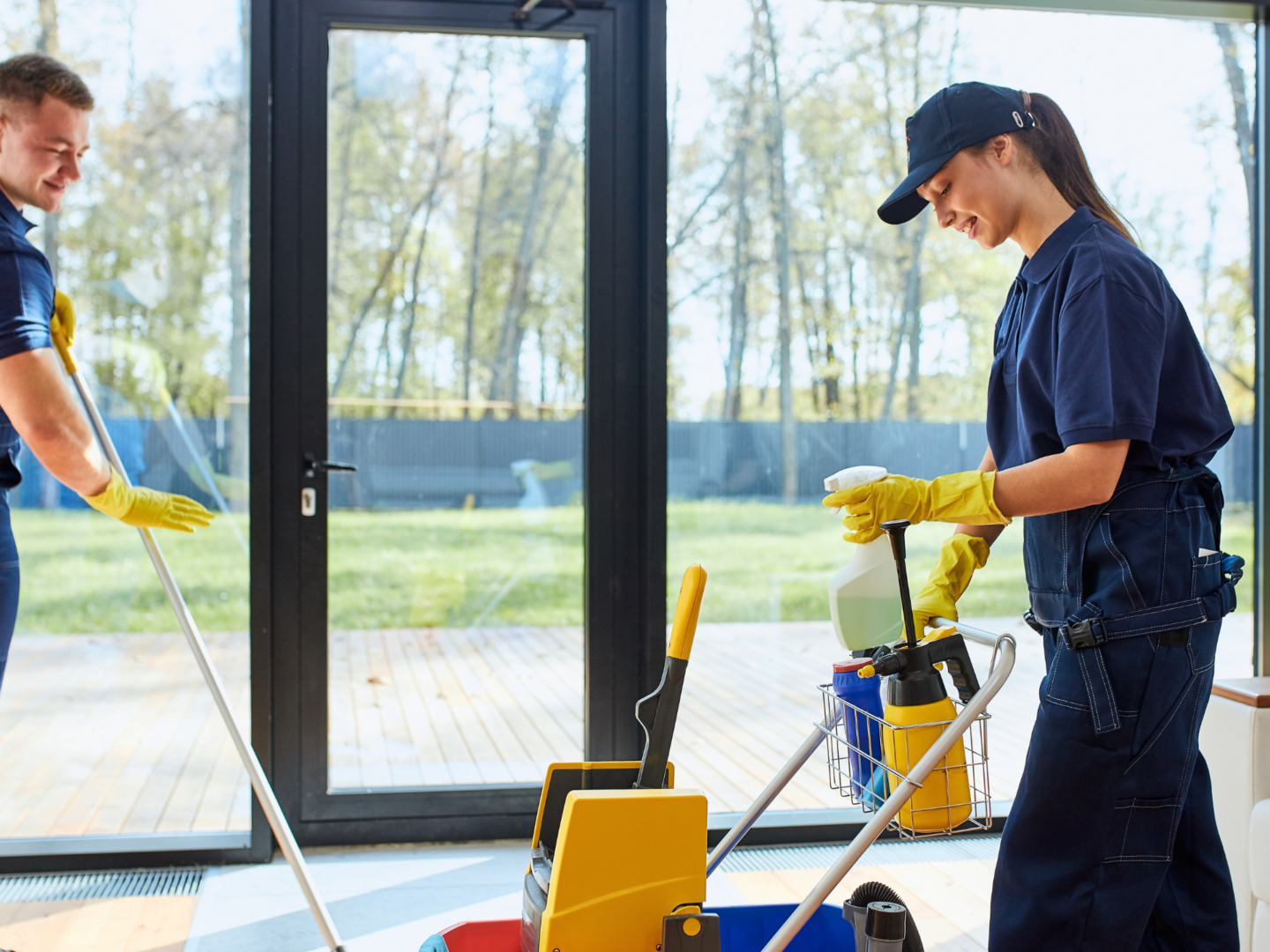
Many organizations rely on commercial cleaning janitorial services to maintain consistent standards. These services go beyond basic surface cleaning. They follow routines designed for busy professional settings. This approach ensures no area is overlooked.
Professional cleaning also helps businesses meet compliance requirements. Certain industries require strict sanitation rules. Healthcare, food service, and education facilities especially benefit from structured cleaning systems. Consistency builds trust and credibility.
When cleaning is done right, it becomes part of daily operations. Staff can focus on their work without worrying about hygiene. Visitors feel comfortable and confident in the space. That balance is essential in competitive New York markets.
Building a Daily Cleaning Routine
Every professional facility needs a daily cleaning plan. High-touch areas require the most attention. Door handles, desks, counters, and shared equipment collect germs quickly. Regular wiping reduces health risks.
Restrooms should be checked multiple times daily. Supplies must stay stocked. Floors should remain dry and slip-free. Clean restrooms signal professionalism and care.
Trash removal is another daily priority. Overflowing bins create odors and attract pests. Emptying them consistently keeps spaces fresh and organized.
Daily routines work best when responsibilities are clear. Whether handled in-house or outsourced, tasks should follow a checklist. This structure prevents missed areas and keeps standards consistent.
Weekly Tasks That Make a Big Difference
Some cleaning tasks don’t need daily attention. Weekly schedules handle deeper surface care. These tasks improve long-term cleanliness and appearance. Floors should be vacuumed and mopped thoroughly. Carpets benefit from spot treatments. Hard floors stay safer and shinier with proper care.
Glass surfaces deserve weekly attention. Clean windows, mirrors, and partitions improve light and visibility. They also reduce fingerprints and smudges. Break rooms need extra focus. Appliances, sinks, and tables collect grease and residue. Weekly cleaning keeps these shared spaces hygienic and pleasant.
Why Professional Facilities Need Structured Cleaning
Professional spaces differ from homes. They host more people and more activity. That increases dirt and bacteria levels. A structured approach is essential.
Professional cleaners use systems, not guesswork. They follow proven methods and industry standards. This consistency improves results and reduces risk.
In New York, many buildings operate across multiple shifts. Cleaning must adapt to flexible schedules. Reliable service providers understand this demand and plan accordingly.
Facilities that invest in regular cleaning also reduce long-term costs. Preventive care extends the life of floors, furniture, and fixtures. That protects the business budget.
Health, Safety, and Employee Well-Being
Clean environments support physical and mental health. Dust and allergens can trigger respiratory issues. Germs spread quickly in shared spaces. Proper cleaning reduces sick days. Healthier employees are more productive. This directly benefits business performance.
Safety also matters. Clean floors prevent slips. Clear walkways reduce accidents. Organized spaces lower stress and improve focus. These benefits show why many businesses prioritize commercial cleaning janitorial services as part of their operations strategy.
Deeper Cleaning Needs
Routine cleaning handles surface dirt. But professional spaces also need deeper care. This is where many businesses ask, what is deep cleaning in commercial spaces and why it matters.
Deep cleaning targets hidden buildup. It includes areas not cleaned daily. Examples include vents, baseboards, behind equipment, and upholstery.
This level of cleaning removes embedded dirt and bacteria. It improves air quality and hygiene. In New York’s dense work environments, this makes a noticeable difference.
Deep cleaning is usually scheduled monthly, quarterly, or seasonally. Timing depends on foot traffic and industry type. High-use facilities benefit from more frequent deep care.
When and Why Deep Cleaning Is Necessary
Deep cleaning becomes essential after renovations, illness outbreaks, or long periods of heavy use. It resets the space to a higher standard.
It also supports inspections and audits. Clean facilities pass reviews more easily. This matters for regulated industries. Businesses often combine deep cleaning with routine services. This creates a layered approach. Daily care maintains cleanliness. Deep cleaning restores it.
Understanding what is deep cleaning in commercial spaces helps managers plan smarter schedules. It ensures resources are used effectively without overcleaning or neglect.
Choosing the Right Cleaning Partner
Selecting a cleaning provider requires careful evaluation. Experience matters. So does training and equipment. Ask about cleaning methods and products. Eco-friendly options are increasingly popular in New York. They protect health and reduce environmental impact. Insurance and compliance are essential. Reliable providers follow safety standards and carry proper coverage.
Clear communication is also important. Expectations should be documented. Schedules, tasks, and reporting systems keep everyone aligned. For businesses exploring options, it helps to learn more here through trusted resources before making decisions.
Practical Tips for Facility Managers
Facility managers play a key role in cleanliness. Simple habits improve outcomes.
Create clear cleaning zones. Assign responsibilities by area. This avoids overlap and gaps.
Encourage staff cooperation. Clean desks and shared areas daily. Small actions support professional cleaning efforts.
Schedule regular inspections. Walk through the space and note concerns. Address issues early.
Partnering with experts who understand commercial facility cleaning solutions can streamline this process and improve consistency.
Cleaning Standards and Industry Trust
Trust grows when standards are visible. Clean floors, fresh air, and organized spaces speak for themselves.
Clients notice details. Employees feel valued. Clean facilities reflect strong leadership.
In competitive New York industries, presentation matters. Cleanliness supports brand reputation and customer loyalty.
Consistent cleaning also supports long-term planning. Facilities remain functional and attractive for years.
Technology and Modern Cleaning Methods
Cleaning technology continues to evolve. Modern tools improve efficiency and results.
Electrostatic sprayers disinfect large areas quickly. HEPA vacuums improve air quality. Microfiber systems reduce chemical use.
Professional teams stay updated on best practices. This expertise ensures safer and more effective cleaning.
Businesses benefit from these advancements without managing them directly. That’s another advantage of professional services.
Creating a Sustainable Cleaning Plan
Sustainability matters in modern facilities. Green cleaning protects people and the planet. Using non-toxic products reduces chemical exposure. Efficient equipment saves energy and water.
Sustainable practices also appeal to employees and clients. Many New York businesses value environmentally responsible operations. A balanced cleaning plan supports hygiene, safety, and sustainability together.
Conclusion
Clean professional facilities support health, productivity, and trust. Daily routines handle visible mess. Weekly care maintains appearance. Deep cleaning restores hygiene at a deeper level.
Understanding services, schedules, and cleaning types helps businesses plan effectively. In fast-moving New York environments, consistency matters most. With the right approach, cleaning becomes a strategic asset. It protects people, property, and reputation.
For further insights and best practices, you can learn more here or explore commercial facility cleaning solutions to support informed decisions.
FAQ
How often should professional facilities be cleaned? High-traffic areas need daily cleaning. Other spaces may follow weekly schedules.
What areas are included in deep cleaning? It covers vents, baseboards, upholstery, hidden corners, and high-use equipment.
Why is professional cleaning better than in-house cleaning? Professionals use systems, training, and tools designed for large facilities.
Is green cleaning effective for commercial spaces? Yes. Modern eco-friendly products clean well and protect health.