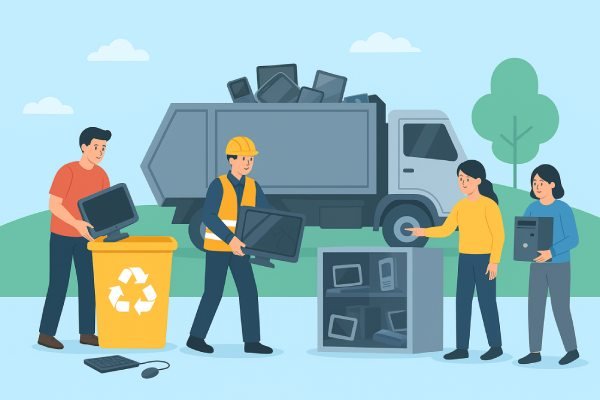
Electronic waste, or e-waste, is growing faster than ever. Every year, people buy new phones, laptops, TVs, and gadgets. At the same time, old devices get pushed aside, thrown away, or forgotten in drawers. This creates a huge problem for our environment and our health. An effective
e-waste management system helps solve this issue by guiding how we collect, sort, recycle, and safely dispose of electronic waste.
In this article, you will learn how an e-waste management system works, why it matters, and what we can do to improve it. The tone is simple, energetic, and easy to understand—no technical algorithms or fancy words.
What Is an E-Waste Management System?
An e- waste management system is a structured method to handle old electronic items responsibly. It covers every step from collection to recycling. The goal is to reduce harm to the environment and recover useful materials like copper, gold, silver, aluminum, and plastic. Instead of dumping e-waste in landfills, this system makes sure each item is processed in the right way.
It is a complete cycle that involves consumers, companies, government bodies, and recycling centers. When all these parts work together, the process becomes safe and smooth.
Why E-Waste Is a Growing Problem
The demand for electronics keeps rising. Technology changes fast, and many people upgrade their gadgets every year. As a result, millions of devices are thrown away before their life span ends. These items contain toxic materials like lead, mercury, and chromium. If they are not handled properly, these chemicals leak into the soil, air, and water.
E-waste also carries small amounts of valuable metals. When dumped, these resources are lost forever. A good e-waste management system helps recover these materials, reduces mining, and saves energy.
How an E-Waste Management System Works
A strong and responsible e-waste system includes the following steps:
- Collection of E-Waste
This is the first and most important step. Collection happens through:
- Local collection points
- Recycling drives
- Drop-off centers
- Retailer take-back programs
- Doorstep pick-up services
The easier the collection process, the more people will participate.
- Sorting and Categorizing
After collection, the e-waste is sorted into groups like:
- Computers and laptops
- Mobile phones
- TVs and monitors
- Small household appliances
- Large appliances
Sorting makes recycling faster and cleaner.
- Safe Dismantling
Skilled workers take apart each item. They remove screens, batteries, wires, chips, and metal parts. This stage requires trained professionals because improper dismantling can release harmful chemicals.
- Recycling and Recovery
This is where the real value comes in. Recyclers extract metals, plastics, and other materials from old devices. These recovered materials are reused in manufacturing new products. It lowers the need for mining new resources.
- Disposal of Toxic Waste
Some parts cannot be recycled and must be disposed of safely. This includes certain chemicals and damaged components. Proper disposal prevents pollution.
Benefits of a Good E-Waste Management System
- Less Environmental Damage
E-waste recycling prevents toxic materials from entering the environment. Clean water, fresh air, and healthy soil all depend on responsible waste handling.
- Conservation of Resources
Old electronics contain rare and valuable metals. A good system recovers these materials and reduces the need to mine new ones.
- More Job Opportunities
Recycling, collection, and repair centers create thousands of jobs—from technicians to transportation teams.
- Safer Communities
Proper handling reduces health risks linked to illegal dumping and unsafe recycling methods.
- Encourages a Responsible Lifestyle
When people learn about the impact of e-waste, they become more aware and make better choices.
How We Can Support E-Waste Management
A successful e-waste management system depends on community support. Here are simple ways to help:
- Do not throw electronics in regular trash.
- Find your nearest e-waste collection center.
- Use take-back programs offered by brands.
- Repair devices whenever possible instead of replacing them.
- Donate working electronics to schools or NGOs.
- Spread awareness among friends and family.
Small actions create a big impact.
Final Thoughts
A strong
e-waste management systm is not just about recycling—it is about responsibility. With technology growing every year, we must handle electronic waste in a safe and smart way. By collecting, sorting, and recycling our old devices properly, we protect our environment, save resources, and build a cleaner future.
Everyone has a part to play. And the right steps taken today can shape a healthier planet for tomorrow.