London is home to countless music venues, historic theaters, and cultural landmarks, but very few places combine nature, history, and live performance as seamlessly as Crystal Palace Bowl. Nestled inside one of South London’s most scenic parks, this open-air amphitheater has hosted legendary performances, community celebrations, and world-class cultural events for decades. Its unique setting and long-standing reputation make it a standout destination for both locals and international visitors.
This in-depth guide explores the story, atmosphere, events, and visitor experience of Crystal Palace Bowl London, helping you understand why it remains one of the most beloved outdoor venues in the capital.
Origins and Early Development of the Bowl
The story of the bowl begins in the early 1960s, during a period when open-air entertainment spaces were gaining popularity across Europe. The venue was purpose-built within Crystal Palace Park, using the land’s natural contours to create an amphitheater-style design. This allowed sound to travel efficiently while giving audiences clear views of the stage from almost every angle.
From the start, the venue was closely linked to orchestral and classical music. Large-scale symphonic performances were a defining feature of its early years, drawing audiences who wanted a more relaxed and accessible way to enjoy live music. Over time, the bowl evolved alongside changing musical tastes, gradually welcoming contemporary genres and becoming a platform for diverse artistic expression.
Crystal Palace Park: The Perfect Natural Setting
One of the most distinctive aspects of the venue is its location inside Crystal Palace Park, a historic green space with deep cultural roots. The park was originally developed in the Victorian era and is famous for its wide open lawns, lakes, and iconic dinosaur sculptures. Today, it remains a cherished recreational area for South London.
The bowl blends effortlessly into this landscape. Instead of dominating the environment, it feels like a natural extension of the park itself. Trees frame the seating areas, open skies replace a traditional roof, and changing weather conditions subtly shape each performance. This natural integration creates a sense of openness that indoor venues simply cannot replicate.
Evolution Into a Major Music and Cultural Venue
As musical styles diversified throughout the late twentieth century, the bowl adapted. Rock, pop, jazz, reggae, and electronic music began to appear alongside classical performances. This shift helped establish the venue as a culturally inclusive space rather than a genre-specific one.
Throughout its history, the venue has welcomed internationally recognized artists and large audiences, cementing its place in London’s live music legacy. At the same time, it has retained its commitment to community engagement by hosting free and low-cost events that make culture accessible to a wider audience.
Types of Events Hosted at the Bowl
The variety of events is one of the venue’s strongest attractions. Each season brings a different mix of performances and gatherings, ensuring that no two visits feel exactly the same.
Live Music Performances
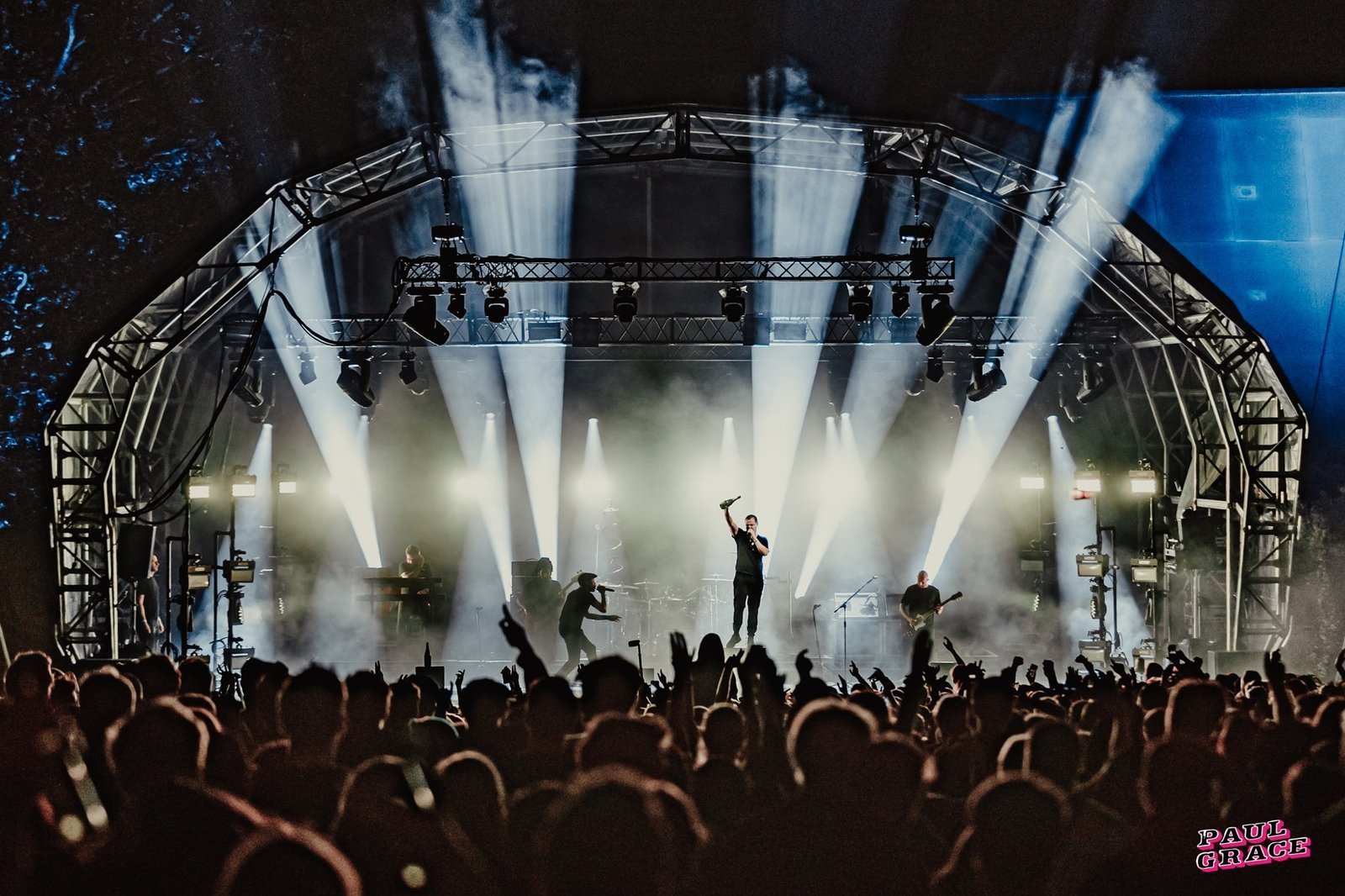
Live concerts remain at the heart of the bowl’s identity. The open-air acoustics provide a powerful yet organic sound, allowing performances to feel immersive without being overwhelming. Summer concerts are especially popular, often drawing large crowds who enjoy music in a festival-like atmosphere.
Classical and Orchestral Concerts
Classical music continues to play an important role. Open-air orchestral concerts offer a unique listening experience, where music interacts with the surrounding environment. These performances often attract audiences who may not typically attend traditional concert halls.
Festivals and Themed Events
In recent years, curated festivals have become increasingly common. These events often span an entire day or weekend and include multiple performers, food vendors, and interactive activities. They transform the bowl into a vibrant cultural hub rather than a single-use venue.
Community and Cultural Gatherings
The bowl also serves as a space for community-driven events. Local festivals, cultural celebrations, and free concerts help maintain its role as a public asset rather than a purely commercial venue.
Seating Design and Audience Experience
Unlike indoor arenas with fixed seating, the bowl offers a more flexible layout. The amphitheater-style grass seating slopes gently toward the stage, creating a relaxed and informal atmosphere. Depending on the event, audiences may be seated, standing, or allowed to picnic.
This layout encourages social interaction and allows visitors to tailor their experience. Some prefer to sit closer to the stage, while others enjoy relaxing further back with a wider view of the surroundings. Because seating is often on grass, comfort and preparation play an important role in enjoying the event fully.
Accessibility and Visitor Facilities
The venue is designed to accommodate a wide range of visitors. Pathways around the bowl and park are generally well maintained, and accessibility arrangements are typically made for larger events. Food and drink stalls are commonly available, offering refreshments without the need to leave the venue.
Restroom facilities and security measures vary depending on the event, but organizers usually provide clear guidance in advance. Visitors are encouraged to review event-specific rules, especially regarding seating, bags, and permitted items.
How to Reach the Venue
Reaching the bowl is relatively straightforward due to its location within Greater London.
Public Transport Options
Crystal Palace station is the most convenient rail option, offering connections from central London and surrounding areas. From the station, the park can be reached on foot or via local bus services. Penge West and Sydenham stations are also commonly used alternatives.
Bus and Local Travel
Several bus routes serve Crystal Palace Park, making it accessible from nearby neighborhoods. On event days, public transport is often the most reliable choice due to traffic restrictions.
Driving Considerations
While parking exists near the park, spaces are limited and may be restricted during major events. Visitors are generally advised to use public transport whenever possible.
Best Seasons and Times to Visit
Late spring through early autumn is considered the ideal period to attend events at the bowl. Warmer temperatures and longer daylight hours enhance the outdoor experience, while event schedules are typically busiest during this time.
Evening performances are particularly atmospheric, as natural light fades and stage lighting takes over. However, because events are outdoors, visitors should always be prepared for changing weather conditions.
Beyond concerts, the surrounding park adds to the appeal, offering walking trails, historic landmarks, and panoramic views of London. This makes a visit to the bowl more than just an event—it becomes a complete day out. For anyone seeking culture, music, and nature in one place, Crystal Palace Bowl London remains a standout destination in the capital’s live entertainment scene.
What Makes the Bowl Different From Other Venues
What truly distinguishes this venue is its balance between scale and intimacy. While it can host large audiences, it never feels overwhelming. The natural surroundings soften the experience, creating a sense of connection between performers and audiences.
The venue’s long-standing relationship with both classical and contemporary music also gives it a unique cultural identity. It is not defined by a single genre or audience but instead reflects the diversity of London itself.
Nearby Attractions and Local Experiences
A visit to the bowl can easily be combined with exploring the surrounding area. Crystal Palace Park offers walking trails, historic landmarks, and scenic viewpoints. Nearby neighborhoods feature independent cafes, restaurants, and shops that add to the overall experience.
This makes the venue suitable not only for evening concerts but also for full-day outings, especially for visitors unfamiliar with South London.
Cultural Significance in London’s Music Scene
Over the decades, the bowl has played an important role in shaping London’s outdoor music culture. It helped normalize the idea that high-quality performances could thrive outside traditional concert halls. This influence can be seen today in the growing popularity of open-air venues across the city.
By remaining adaptable while respecting its heritage, the bowl continues to be relevant in a rapidly changing entertainment landscape.
Looking Ahead: The Future of the Venue
As interest in outdoor and experiential events continues to grow, the bowl is well positioned for the future. Ongoing investment, thoughtful programming, and community involvement are key to ensuring that it remains a vibrant cultural space for generations to come.
Sustainability and accessibility are also becoming more important, and future developments are likely to reflect these priorities without compromising the venue’s character.
Crystal Palace Bowl London most distinctive open-air music venues, located within the historic surroundings of Crystal Palace Park in South London. Known for its natural amphitheater design, the bowl offers a unique setting where live performances blend seamlessly with green landscapes and open skies. Unlike traditional indoor venues, it provides a relaxed and immersive atmosphere that enhances the connection between artists and audiences.
Over the years, the venue has hosted a wide range of events, from classical orchestral concerts to modern music festivals and community celebrations. Its reputation for excellent acoustics and scenic surroundings has made it a favorite among both performers and visitors. Seasonal programming, especially during the summer months, attracts music lovers looking for a memorable outdoor experience in the city.
Final Thoughts
Crystal Palace Bowl stands as a powerful example of how history, nature, and culture can coexist in a modern city. It offers an experience that goes beyond simply attending a concert, allowing visitors to engage with music in a setting that feels open, inclusive, and deeply rooted in its surroundings.
Whether you are a long-time London resident or a traveler seeking something different, Crystal Palace Bowl London offers a memorable way to experience live performance in one of the city’s most distinctive environments. For blog visit our site mkpsolutions.
Leave a comment