





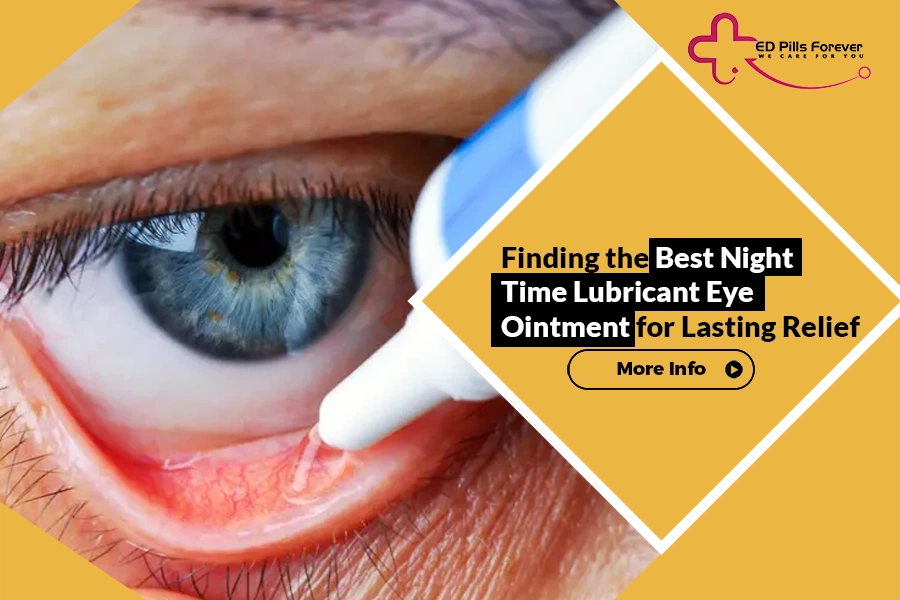
Finding the Best Nighttime Lubricant Eye Ointment for Lasting Relief
Waking up with dry, irritated, or gritty-feeling eyes can set a negative tone for your entire day. For millions of people suffering from chronic dry eye syndrome, nighttime offers a crucial opportunity for healing and relief. Unlike daytime eye drops that provide temporary comfort, nighttime lubricant eye ointments deliver prolonged protection and moisture throughout your sleep hours. Understanding how to choose and use these products effectively can transform your eye health and morning comfort.
Why Nighttime Eye Ointments Matter
During sleep, your eyes undergo natural healing processes, but this can be disrupted when tear production decreases or evaporation increases. Many people experience worse dry eye symptoms upon waking because:- Eyelids may not close completely during sleep, exposing the eye surface
- Tear production naturally decreases at night
- Environmental factors like air conditioning or heating dry out the eyes
- Certain medications reduce tear quality and quantity
- Age-related changes affect tear film stability
Understanding Eye Ointment Ingredients
The most effective nighttime eye ointments typically contain one or more of these key ingredients: Petrolatum and Mineral Oil: These form a protective layer over the eye surface, preventing tear evaporation. They’re particularly effective for severe dry eye and provide the longest-lasting relief. Carbomer: This gel-forming agent creates a clear, comfortable coating on the eye. Products containing carbomer, such as Cornigel 5 gm, are popular because they provide extended relief without the heavy, blurry feeling of some traditional ointments. Carbomer gels strike a balance between lasting protection and comfort. Lanolin: A natural moisturizer that helps restore the lipid layer of tears, reducing evaporation. White Petrolatum: A purified form that’s gentle on sensitive eyes while providing substantial lubrication. The choice between different formulations often depends on the severity of your dry eye condition and personal comfort preferences.Choosing the Right Ointment for Your Needs
Not all eye ointments are created equal. Consider these factors when selecting a nighttime lubricant: Severity of Symptoms: Mild dry eye may respond well to lighter gel formulations, while severe cases often require heavier petroleum-based ointments. Preservative-Free Options: If you use eye ointment regularly, preservative-free formulations reduce the risk of sensitivity or allergic reactions. Many modern products come in single-use tubes or multi-dose containers with special dispensing systems that maintain sterility without preservatives. Consistency Preferences: Gels like Cornigel 5 gm tend to be clearer and less greasy than traditional ointments, which some users find more comfortable. However, thicker ointments generally provide longer-lasting protection. Specific Eye Conditions: If you have conditions like lagophthalmos (incomplete eyelid closure), recurrent corneal erosion, or post-surgical recovery needs, consult your eye care professional about which formulation is most appropriate. Contact Lens Compatibility: Most nighttime ointments should not be used while wearing contact lenses. Always remove lenses before application.How to Use Lubricant Eye Ointment in Eyes
Proper application technique ensures maximum benefit and comfort. Follow these steps for effective ointment use: Step 1: Prepare Your Hands and Product Wash your hands thoroughly with soap and water. Check the expiration date on your ointment and ensure the tube tip is clean and undamaged. Step 2: Position Yourself Comfortably Tilt your head back slightly or lie down. Having a mirror available can help with accurate application, especially when you’re first learning the technique. Step 3: Create a Pocket Gently pull down your lower eyelid with a clean finger to create a small pocket between your eyelid and eye. Step 4: Apply the Ointment Hold the tube close to your eye without touching it. Squeeze a small ribbon of ointment (about ¼ to ½ inch) into the pocket of your lower eyelid. Look upward while doing this to avoid blinking reflexively. Step 5: Close and Distribute Close your eye gently and roll your eyeball around in all directions. This helps distribute the ointment evenly across the entire eye surface. You may also gently massage your closed eyelid to aid distribution. Step 6: Remove Excess Use a clean tissue to gently wipe away any excess ointment from your eyelids or lashes. Step 7: Repeat if Necessary If treating both eyes, repeat the process for the other eye using the same technique. Important Tips: Never touch the tube tip to your eye, fingers, or any surface, as this can contaminate the product. If you wear contact lenses, remove them before applying ointment and wait at least 15 minutes before reinserting them—though nighttime ointments are typically used after removing lenses for the day.What to Expect After Application
It’s normal to experience temporarily blurred vision immediately after applying eye ointment. This is why these products are designed for nighttime use when you won’t need clear vision. The blurriness usually subsides within a few minutes as you blink and the ointment distributes. Some people experience a slight sensation of heaviness or greasiness initially, but this typically becomes less noticeable within minutes. If you experience persistent discomfort, burning, or irritation, discontinue use and consult your eye care provider.Building an Effective Nighttime Eye Care Routine
Maximizing the benefits of your lubricant eye ointment involves more than just application technique: Timing Matters: Apply your ointment as the last step in your bedtime routine, right before lying down to sleep. This ensures it stays in place and doesn’t transfer to pillows or bedding. Lid Hygiene: Consider using a warm compress and gentle lid cleanser before applying ointment. Clean eyelids allow better ointment absorption and reduce the risk of bacterial buildup. Environmental Control: Use a humidifier in your bedroom to maintain optimal moisture levels. Aim for 30-50% humidity to reduce tear evaporation. Consistent Use: Most eye care professionals recommend nightly use for chronic dry eye rather than sporadic application. Consistency allows for cumulative healing benefits. Daytime Complementary Care: Pair your nighttime ointment with preservative-free artificial tears during the day for comprehensive dry eye management.When to Seek Professional Guidance
While over-the-counter lubricant eye ointments are safe for most people, certain situations warrant professional consultation:- Symptoms persist or worsen despite regular ointment use
- You experience eye pain, light sensitivity, or vision changes
- Discharge or redness develops
- You have an underlying eye condition or recent eye surgery
- You’re using multiple eye medications and need guidance on proper timing
The Long-Term Benefits
Consistent use of nighttime lubricant eye ointments can provide cumulative benefits beyond immediate comfort. Regular lubrication helps:- Reduce corneal surface damage from dryness
- Improve tear film stability over time
- Decrease inflammation associated with chronic dry eye
- Enhance overall eye comfort throughout the day
- Prevent complications like corneal erosions